
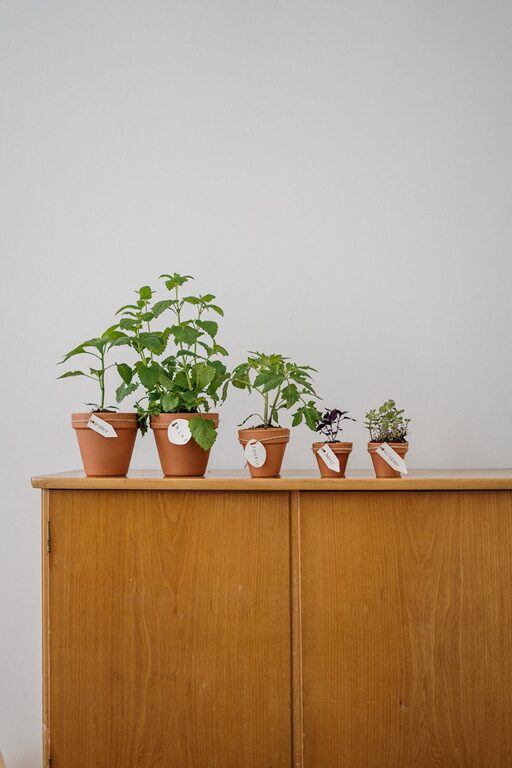
Starting an indoor herb garden is a rewarding way to bring fresh flavors into your cooking and add a touch of greenery to your living space. Whether you have a sunny windowsill or just a small corner, growing herbs indoors is easier than you might think. This guide will walk you through everything you need to know to get started with your own small herb garden indoors.
Why Grow Herbs Indoors?
Growing herbs indoors offers several benefits. You get fresh, aromatic leaves at your fingertips all year long, regardless of the season. Indoor herb gardens also improve air quality, add natural decor to your home, and can be a soothing hobby to nurture.
Choosing the Right Herbs for Indoor Growing
Not all herbs thrive indoors equally. Some are better suited for limited light and container growth. Here are some popular, easy-to-grow indoor herbs:
– Basil: Loves bright light and warm temperatures. Great for Italian dishes.
– Parsley: Can tolerate medium light and adds freshness to many meals.
– Mint: Thrives indoors but can be invasive; keep it in its own pot.
– Chives: Compact and easy to grow; prefers sunny spots.
– Thyme: Drought-tolerant and well-suited for indoor conditions.
– Cilantro: Prefers cooler temperatures and indirect light.
Start with two or three herbs to keep things manageable.
What You’ll Need to Get Started
Before planting, gather these supplies:
– Containers: Choose pots with drainage holes to prevent waterlogging.
– Potting Mix: Use a high-quality, well-draining potting soil designed for indoor plants.
– Seeds or Starter Plants: You can start from seeds or buy young plants from a nursery.
– Tray or Saucers: To catch excess water and protect your surfaces.
– Grow Lights (optional): If you don’t have sufficient natural light, consider LED grow lights.
– Labels: To keep track of different herbs.
Step-by-Step Guide to Planting Your Indoor Herb Garden
1. Select Your Location
Find a spot in your home that receives at least 4-6 hours of sunlight daily, such as a south-facing windowsill. If natural light is limited, position grow lights about 6-12 inches above the plants.
2. Prepare Your Containers
Fill your pots with potting mix, leaving about an inch of space at the top. Moistening the soil slightly before planting helps with seed germination or transplanting seedlings.
3. Plant Your Seeds or Seedlings
– Seeds: Follow the packet instructions for planting depth. Generally, sow seeds a little deeper than their size. Lightly cover and gently press down.
– Seedlings: Dig a small hole in the soil big enough for the roots, place the plant, and cover the roots with soil. Firm the soil gently around the plant.
4. Water Carefully
Water your herbs immediately after planting to settle the soil. Herbs prefer moist but not waterlogged soil. Check moisture daily and water when the top inch feels dry.
5. Maintain Proper Temperature and Humidity
Most herbs grow best between 65-75°F (18-24°C). Avoid placing plants near cold drafts or heating vents. If your home is dry, increase humidity by misting the leaves or placing a shallow tray of water nearby.
Caring for Your Indoor Herb Garden
Light
Adequate light is critical. Move plants as needed to follow the sun or adjust grow lights accordingly. Rotate pots every few days so all sides receive even light.
Water
Be consistent but cautious with watering to avoid root rot. When in doubt, check the soil moisture before watering.
Fertilizing
Feed herbs with a balanced liquid fertilizer diluted to half strength once every 3-4 weeks to encourage healthy growth.
Pruning and Harvesting
Prune regularly to promote bushier growth and prevent legginess. Harvest leaves by cutting just above a pair of leaves or leaf joints. This encourages new shoots.
Troubleshooting Common Issues
– Yellowing leaves: Often a sign of overwatering or poor drainage.
– Leggy plants: Usually caused by insufficient light.
– Pests: Watch for aphids or spider mites. Remove pests with a gentle spray of water or insecticidal soap.
– Slow growth: Could be due to improper temperature or lack of nutrients.
Tips for Success
– Start small and expand your garden as you gain confidence.
– Label each herb to keep track of what you’re growing.
– Rotate herbs outside during warmer months for fresh air and natural light if possible.
– Experiment with different herb combinations for culinary variety.
Conclusion
Starting a small herb garden indoors can bring freshness and beauty into your home. With a few simple steps, some patience, and regular care, you’ll enjoy homegrown herbs for cooking, teas, and even natural remedies. So grab some pots, select your favorite herbs, and get planting—you might be surprised how quickly your little garden flourishes.
Happy gardening!